CineCurrent
Rang De Basanti at 20: The Film That Continues to Inspire a Generation


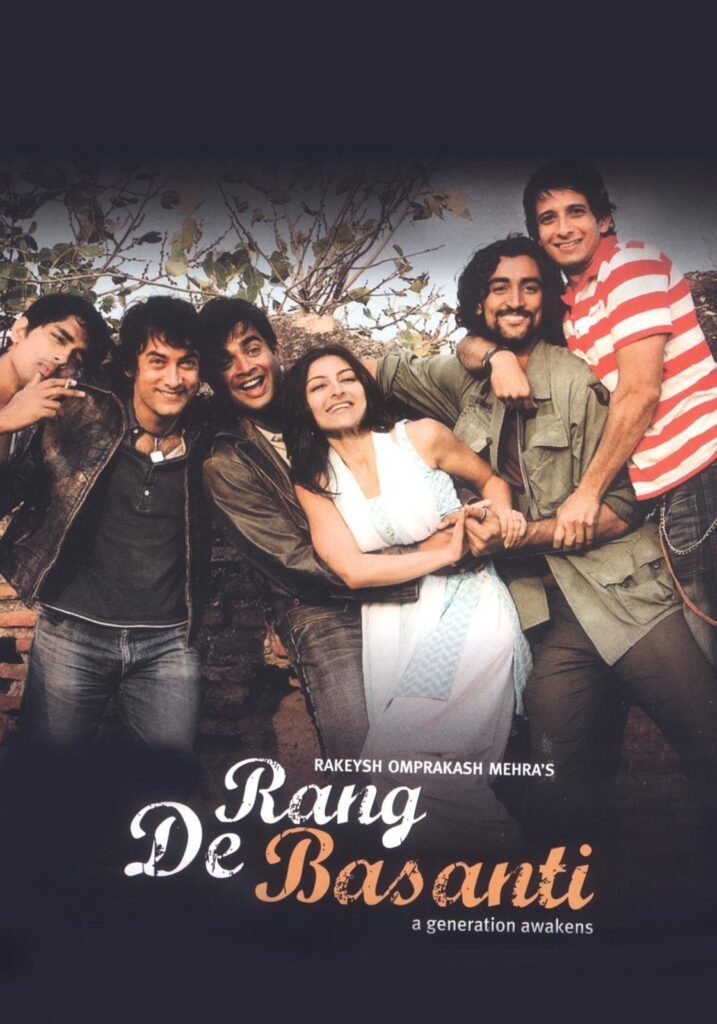
Few films transcend the boundaries of entertainment to become a part of a nation’s cultural identity. Rang De Basanti, directed by Rakeysh Omprakash Mehra and released on 26 January 2006, is one such landmark. Nearly twenty years after its release, the film continues to resonate with audiences across generations, proving that powerful storytelling can remain relevant long after its theatrical run.
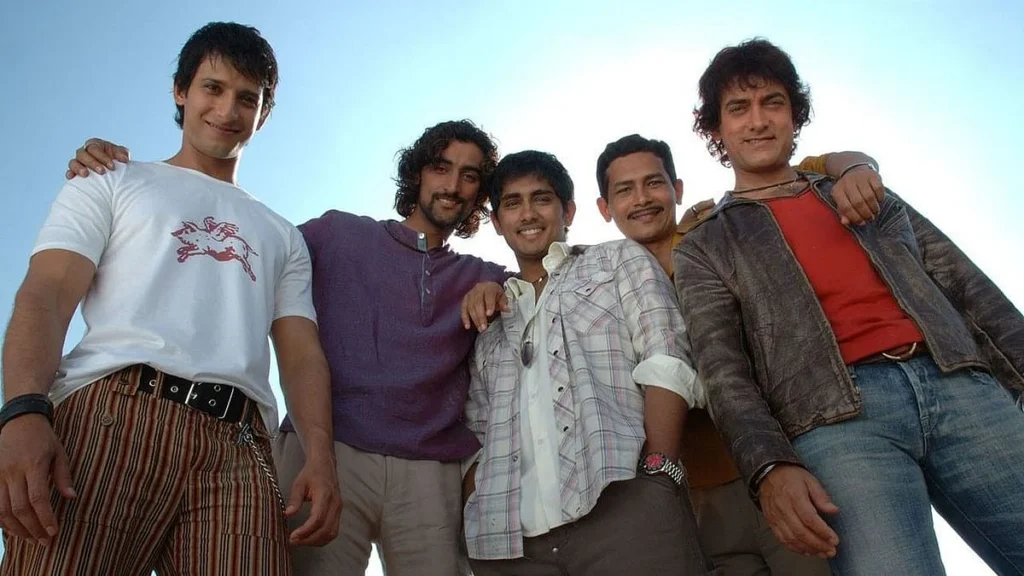
Featuring an ensemble cast including Aamir Khan, Siddharth, Kunal Kapoor, Sharman Joshi, Atul Kulkarni, Soha Ali Khan, Alice Patten, and R. Madhavan, Rang De Basanti weaves together the lives of carefree college friends with the stories of India’s revolutionary freedom fighters—Bhagat Singh, Chandrashekhar Azad, Ashfaqulla Khan, Rajguru, and Ram Prasad Bismil. Through this unique narrative, the film explores friendship, sacrifice, patriotism, and the responsibilities that come with freedom.
What begins as a documentary project by a British filmmaker gradually evolves into a deeply emotional journey that forces a group of young friends to confront corruption, injustice, and their own place in society. Rather than offering easy answers, the film challenges audiences to reflect on the meaning of citizenship and individual responsibility.
A Film That Changed the Conversation
When Rang De Basanti was released in 2006, it quickly became much more than a commercial success. It sparked conversations in classrooms, universities, workplaces, and homes across the country. Its portrayal of socially conscious youth resonated strongly with young audiences, many of whom saw themselves reflected in the characters’ journey from indifference to action.
The phrase “Rang De Basanti effect” soon entered public discourse as journalists, commentators, and academics observed how the film had become a cultural symbol of youth engagement and civic awareness. Although no single film can be credited with causing social movements, Rang De Basanti became closely associated with a generation that was increasingly willing to question authority, demand accountability, and participate in public life.

Twenty Years Later, Its Message Still Feels Relevant
Two decades after its release, Rang De Basanti has found renewed relevance among India’s younger generation.
During recent student-led demonstrations and public gatherings, including protests at Jantar Mantar, scenes and dialogues from the film resurfaced across social media platforms. Users widely shared clips from the film alongside photographs and videos from contemporary protests, drawing parallels between its themes of youth participation, civic responsibility, and standing against injustice.
The renewed conversation has also led to growing calls from cinephiles and film lovers for a nationwide theatrical re-release. Across social media, many viewers have expressed a desire to experience Rang De Basanti once again on the big screen, while introducing the film to a generation that knows it primarily through streaming platforms.
For many younger audiences who were not even born when the film first released, Rang De Basanti continues to feel remarkably contemporary—proof that its ideas remain as powerful today as they were in 2006.
A Masterclass in Indian Filmmaking
The enduring legacy of Rang De Basanti is built not only on its message but also on its exceptional craftsmanship.


Director Rakeysh Omprakash Mehra delivered one of the defining films of modern Indian cinema through a compelling screenplay by Rensil D’Silva and Kamlesh Pandey, stunning cinematography by Binod Pradhan, and seamless editing that beautifully connected two different timelines.
Equally unforgettable was A. R. Rahman’s celebrated soundtrack. Songs such as Roobaroo, Luka Chuppi, Khoon Chala, Tu Bin Bataye, Khalbali, and the energetic title track became cultural milestones in their own right. Even today, the soundtrack remains one of the finest albums in Hindi cinema, continuing to be discovered by new listeners nearly two decades later.
Awards and Global Recognition
Rang De Basanti emerged as one of the most celebrated Indian films of its era, receiving over 110 awards and honours across national and international platforms.
Among its most significant achievements were:
- National Film Award for Best Popular Film Providing Wholesome Entertainment
- Filmfare Awards including Best Film and Best Director (Rakeysh Omprakash Mehra)
- India’s Official Entry for the 79th Academy Awards in the Best Foreign Language Film category
- BAFTA nomination for Best Film Not in the English Language
The film also received widespread recognition at the IIFA Awards, Screen Awards, Zee Cine Awards, Stardust Awards, and numerous international film ceremonies.
What Critics Said
Upon its release, Rang De Basanti received overwhelming critical acclaim from both Indian and international critics.
Film critic Rajeev Masand described it as “one of the finest Hindi films in years,” praising its emotional storytelling, confident direction, and ensemble performances.
Writing for The New York Times, critic Stephen Holden called the film “entertaining and emotionally satisfying,” highlighting its successful blend of political commentary, humour, and heartfelt drama.
The BBC praised the film for making India’s revolutionary history accessible and emotionally relevant to modern audiences while applauding its bold storytelling and memorable music.
Over the years, film scholars and critics have continued to regard Rang De Basanti as one of the defining works of contemporary Indian cinema. It regularly features in lists of the greatest Hindi films ever made and continues to be studied for its narrative structure, political themes, and cultural impact.
The film also maintains an IMDb rating of over 8/10, consistently ranking among the highest-rated Hindi films of all time.
A Legacy That Refuses to Fade
Very few films continue to inspire meaningful conversations nearly twenty years after their release. Rang De Basanti is one of those rare exceptions.
Its themes of friendship, sacrifice, accountability, and hope continue to resonate with audiences who see reflections of contemporary India in its story. Whether through classroom discussions, retrospective screenings, viral social media clips, or renewed calls for a theatrical re-release, the film continues to find new life with every generation that discovers it.
More than just a cinematic masterpiece, Rang De Basanti has become an enduring cultural landmark—one that reminds us that patriotism is not merely about remembering history, but about taking responsibility for the future.
As one of the film’s most memorable messages reminds us:
“No country is perfect. It has to be made perfect.”
Nearly twenty years later, those words continue to inspire audiences across generations, proving that truly great cinema never grows old—it simply finds new voices to carry its message forward.